
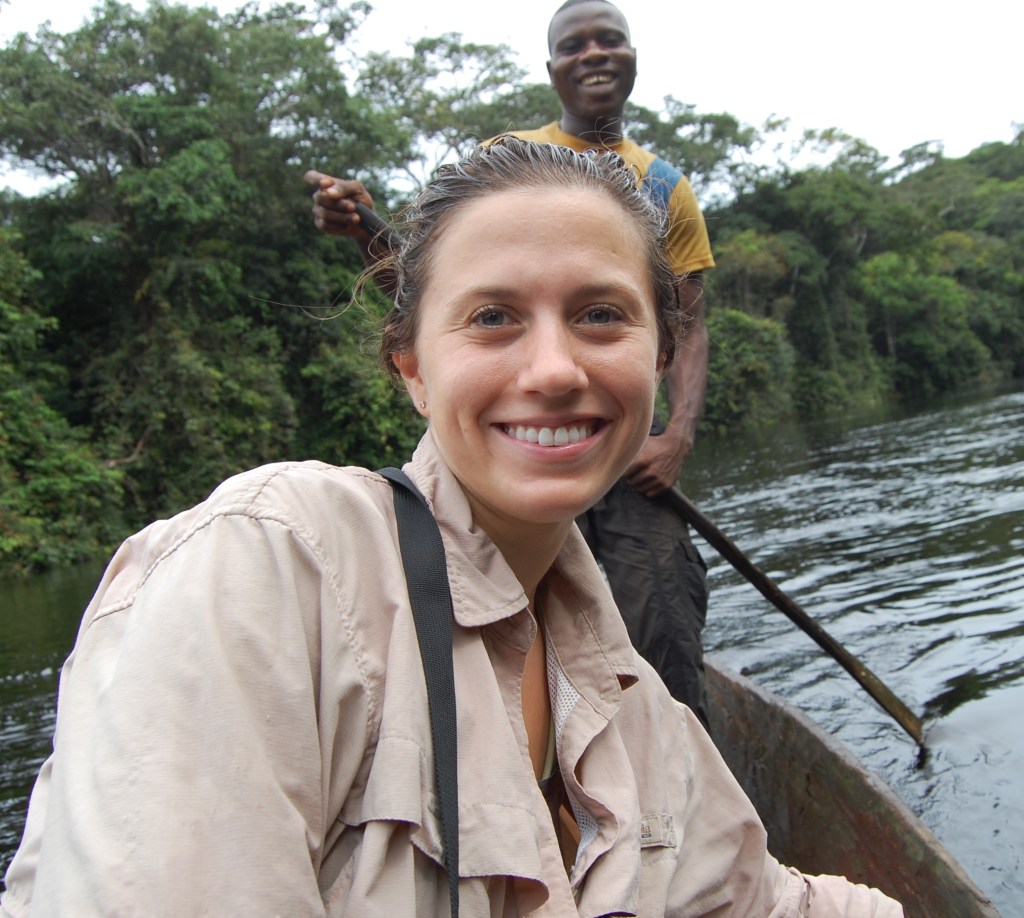
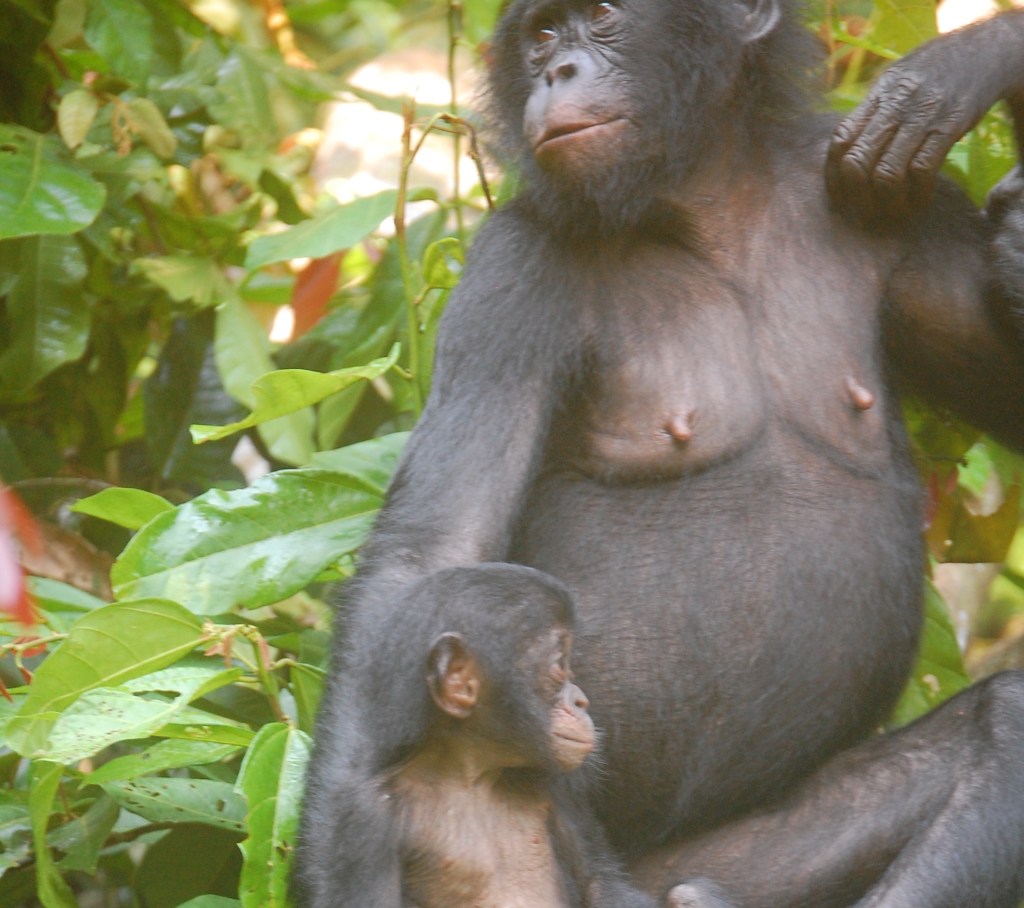
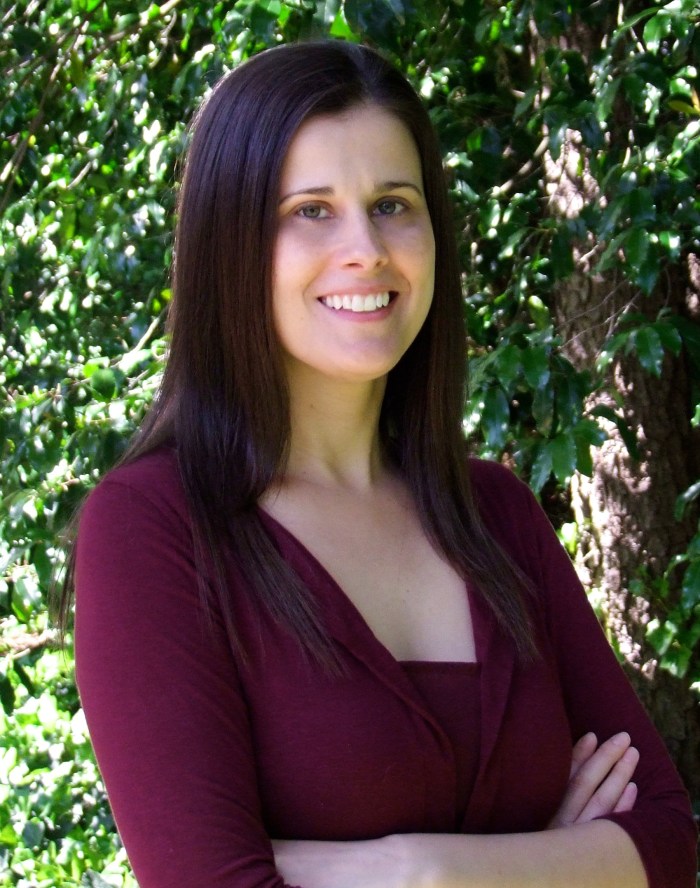
Sarah Kovalaskas joined the Department of Anthropology as a graduate student in 2018 and recently published a paper titled “Comparative analyses of the Pan lineage reveal selection on gene pathways associated with diet and sociality in bonobos” in the journal Genes, Brain and Behavior. Second and third authors are Jim Rilling, professor and department chair at Emory’s Department of Anthropology, and John Lindo, assistant professor at Emory’s Department of Anthropology.
“I feel like this paper was a great example of seizing an idea and making use of already existing data in that all the genomes are all publicly available online and we just needed the storage space and computational know-how to carry it out. The idea of ‘self domestication’ is something that I’ve been interested in and thinking about for a while, and I was hoping to work on similar topics for my dissertation. Even though I’m going in a different direction now it was a really nice way for me to build relationships with professors in the department after Adrian Jaeggi left Emory to continue his research at the University of Zurich. It also allowed me to dip my toes into other fields (genomics) and see how I could incorporate those techniques with my own interests and background working in the field with bonobos.”



 On March 21st at the Brownwood Park Pavilion, the Department of Anthropology brought archaeology out of the university and into the community as part of the annual Atlanta Science Festival. In “Become an Archaeologist,” children and parents learned about archaeological science, including how to extract DNA, perform chemical residue analysis, and put together artifacts and bones.
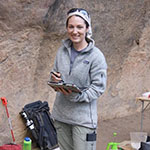 Veatch, a graduate student who researches the environmental context of the Late Pleistocene archaeological site Liang Bua in Indonesia, specifically focuses on the rodent remains found in the cave. She remarks on their diversity as a group of mammals helped by the continuity of bones
 EMORY ANTHROPOLOGY