Congratulations to our 2024 Anthropology Honors Students!

Read more about this year’s honors students and their projects on our 2024 Honors Students page.
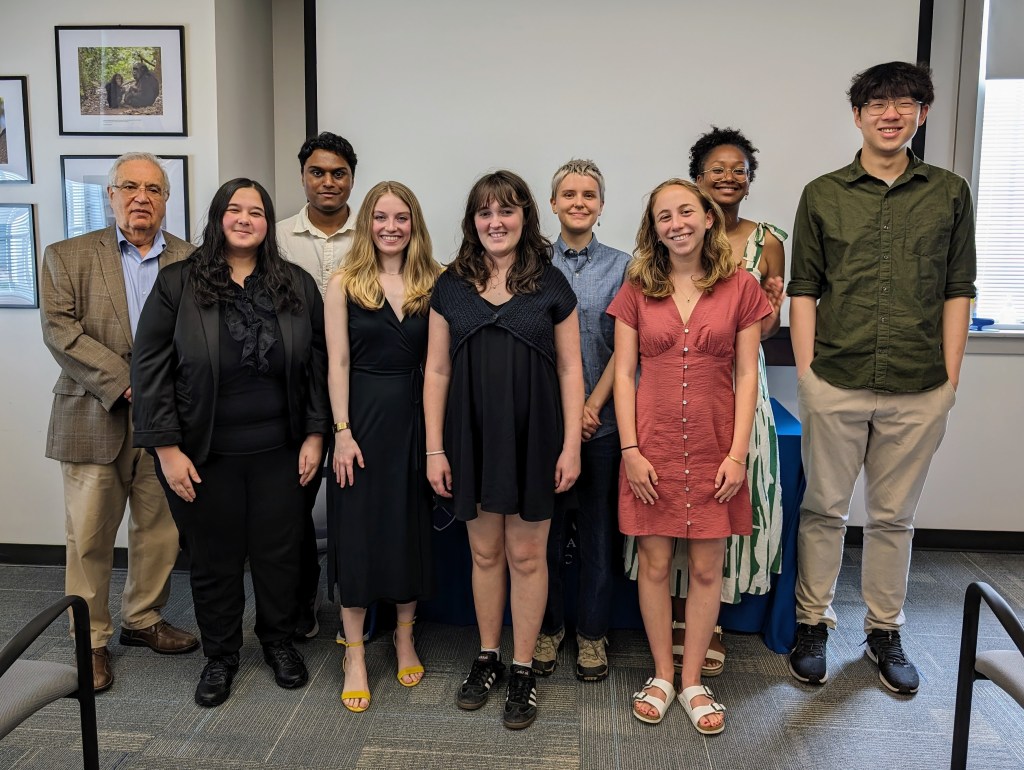
(left to right: Dr. Robert Paul, Sarah Vickery-Hartanto*, Kevin Gunawardana*, Elizabeth Whiteside, Isabel Staton, Ezra Packard, Emily Silver, Sona Davis, Eric Li) *Sarah and Kevin are on track to graduate with honors in December 2024.

Sona Davis
Thesis Title: Investigating the role of the BAF Complex in Human Disease and Evolution
Advisor: David Gorkin, John Lindo

Maddie Hasson
Thesis Title: Guiding Cell Perception of its Microenvironment for Enhanced Microfracture Repair
Advisor: Jay Patel, Craig Hadley

Raya Islam
Thesis Title: Mapping Bengali New York
Advisor: Yami Rodriguez

Emily Jang
Thesis Title: Exploring Beliefs & Identity: The Internal & External World of Asian Americans
Advisor: Chikako Ozawa-de Silva, Brendan Ozawa-de Silva

Qucheng (Eric) Li
Thesis Title: Sinicizing Muslims: Haunting, Punitiveness, and Sacrifice in Neoliberalizing China
Advisor: Michael Peletz

Ezra Packard
Thesis Title: The Stories Behind Atlanta Food Growing: Oral History and Exhibition as Research Method
Advisor: Kristin Phillips, Jonathan Coulis

Emily Silver
Thesis Title: Community Organizing in Atlanta: Perspectives from the AIDS Crisis and COVID-19 Pandemic
Advisor: Rachel Hall-Clifford

Andrea Snoddy
Thesis Title: Myths and Medicine: Analyzing Medical Racism in the Atlanta Metropolitan Area
Advisor: John Lindo

Isabel Staton
Thesis Title: Farmers in the Storm: Exploring Alternative Risk Management Strategies Amid Winter Storm Elliott
Advisor: Hilary King

Phoebe Taiwo
Thesis Title: Examining the Relationship Between Physical and Mental Comorbidities and Human Immunodeficiency Virus (HIV) Serostatus in Black Women
Advisor: Anna Rubstova

Elizabeth Whiteside
Thesis Title: Uncovering Menopause in Tufted Capuchin Monkeys (Sapajus apella): Analyzing the Relationship between Estradiol, Aging, and Behavioral Estrus in a Captive Population
Advisor: Marcela Benitez
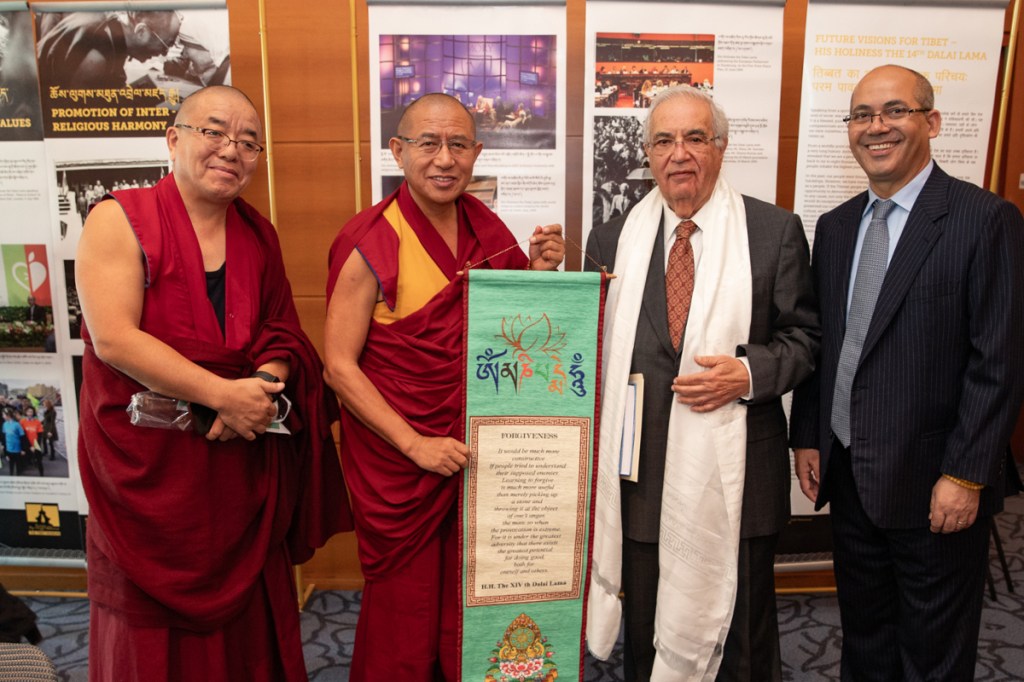
Anthropology Prof. Robert Paul and Emory celebrates 25 years of expanding compassion and ethics through science.

What began as the brainchild of Geshe Lobsang Tenzin Negi and Robert Paul was formalized as the Emory-Tibet Partnership in 1998 and renewed Monday at the beginning of Tibet Week.

Celebrating 25 years, the renewal of the partnership between Emory University and the Drepung Loseling Monastery included senior leadership from the Library of Tibetan Works and Archives, Institute of Buddhist Dialects, and Emory University leaders President Gregory L. Fenves, Provost Ravi V. Bellamkonda and Emory College Dean Barbara Krauthamer who reviewed the Memorandum of Understanding, signed in 1998 in the presence of His Holiness the Dalai Lama, with the current abbot of Drepung Loseling.

Read the full article here!

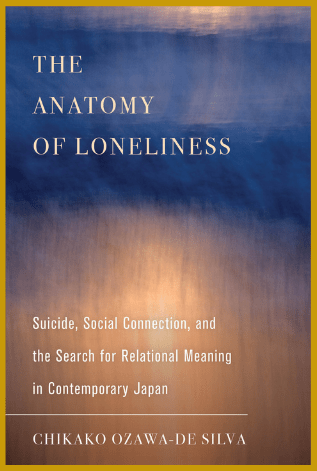
Professor Chikako Ozawa-de Silva awarded 2023 Stirling Book Prize for her book The Anatomy of Loneliness.

Chikako Ozawa-de Silva was honored with the 2023 Stirling Book Prize from the Society for Psychological Anthropology for her most recent book, The Anatomy of Loneliness: Suicide, Social Connection, and the Search for Relational Meaning in Contemporary Japan during the Biennial Society for Psychological Anthropology Conference in San Diego. This is her third book prize this academic year for The Anatomy of Loneliness.

One of the two nominators for this book referred to it aptly as a “beautiful and haunting look at the human need for connection, purpose and the consequences of living in a society that increasingly silos us from each other.” The committee found her book theoretically and empirically rich, carefully analyzed, and beautifully written. The contribution to psychological anthropology is clear and profound, and it also touches on a highly relevant subject of our time with cross-disciplinary implications and implications for society at large: namely, young adults’ experiences of loneliness. Professor Ozawa-De Silva explores the concept of the “lonely society” to analyze and convey the power that societies can have in making “people feel uncared for, unseen, and unimportant” – an issue of global relevance and an innovative contribution to contemporary studies in psychological anthropology on the loss of self and suicide.

Despite the book’s focus on a particular field and particular actors (young adults in Japan), the book’s major asset is to link the analysis of this particular case to wider discourses about the interconnections between inter/subjectivity, empathy, and society. The book thus has a huge potential to help us think through interlinkages between societies in general and the phenomenon of loneliness. The last chapter “What loneliness can teach us” is masterful: the author uses her ethnographic knowledge in a critical and socially committed way to shows what might be taken from this study to improve the well-being of people in general who severely suffer from the current and rising “lonely society”.

Congratulations to Chikako for this outstanding contribution!

Obtain your copy of The Anatomy of Loneliness here!

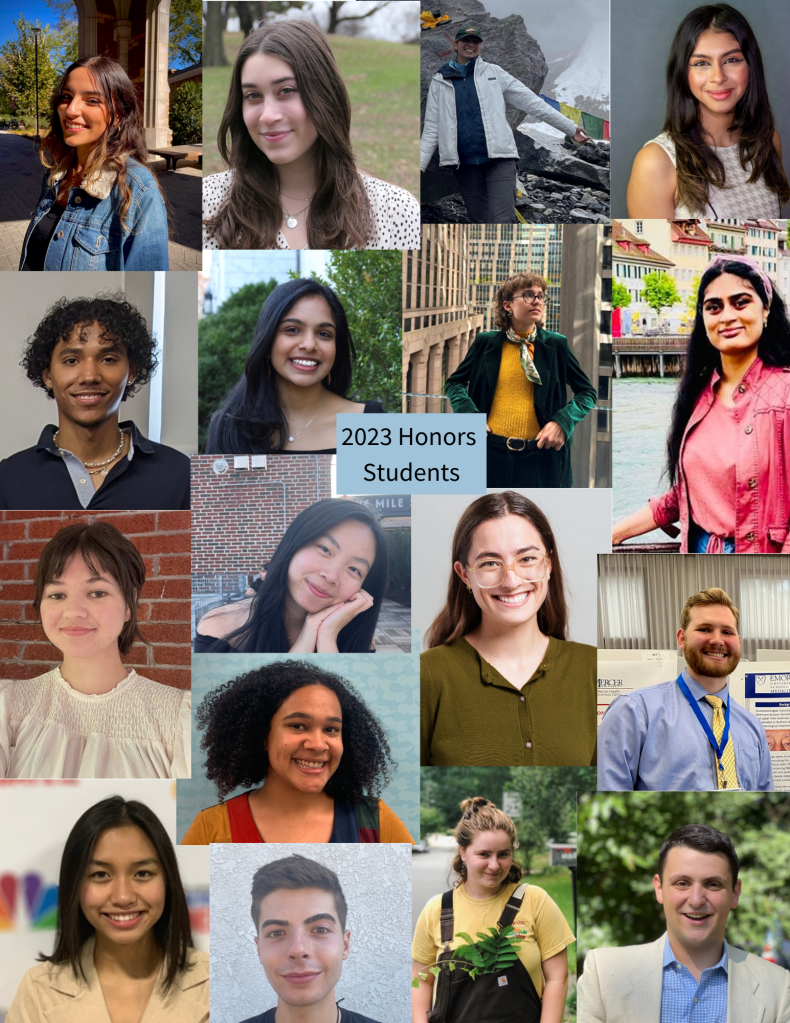
Anthropology Honors Students 2023

Congratulations to our 2023 Anthropology honors students! We wish you all the absolute best in your future endeavors!

You can read more about this year’s honors students and their projects on our 2023 Honor Students page.

Hunter Akridge
Thesis Title:
 Contesting the Cultural Politics of Care: How Equitable Digital Care Platforms Reimagine the Future of Work

Rachel Broun
Thesis Title:
 Enacting Solidarity and Negotiating Fictive Kinship: The Legal Consciousness of Black Women Working in the Criminal Legal System

Pamela Chopra Beniwal
Thesis Title:
 The Effect of Commercialization, Militarization, and Stigmatization of the Breast Cancer Awareness Movement on Breast Cancer Patients

Lucia Buscemi
Thesis Title:
 Footprints of the Roof of the World: Navigating the Impacts of Anthropogenic Activities in the Everest Region

Naomi Gonzalez-Garcia
Thesis Title:
Constellations of Un-Matter(ing) & Matter(ing) through Atlanta’s Black Spaces: Anthropological Perspectives on Housing and Relationality

Ruth Korder
Thesis Title:
Detecting Human Adaptations in Populations of the Andean Highlands

Danielle Mangabat
Thesis Title:
 Confronting Colonial Legacies: Imagining a Decolonial Future in the Philippines through Reproductive Health

Natalie McGrath
Thesis Title:
 Recentering the Voices of Pregnant-People and Birth Workers; Narratives of Childbirth

Atlas Moss
Thesis Title:
 Vocal Recognition and Social Knowledge in captive Tufted Capuchin Monkeys (Sapajus apella)

Alvaro Perez Daisson
Thesis Title:
 Race-related Health Disparities in the Context of COVID-19

Tanvi Shah
Thesis Title:
 (Re)constructing Postpartum Depression (PPD) via Cross-Specialty Analysis and an Anthropological Lens of Subjectivity 

Krithika Shrinivas
Thesis Title:
Stone Tools and Sociality: Potential Effects of Conversation and Hobbies on Lithic Quality

Lizzy Wagman
Thesis Title:
 Genome-wide patterns of selection in pre- and post-European contact Caribbean populations

Amy Wang
Thesis Title: 
The Impacts of Social Media on Young Adults’ Body Images in the United States

Sam Weinstein
Thesis Title:
 Vocal Clues to Diabetes Mellitus: Exploring the Ethics and Tech of AI in Clinical Practice

Gracie Wilson
Thesis Title:
 The Culture of College Mental Health: Narratives of Stress, Value, and Belonging 

Christopher Zeuthen
Thesis Title:
 Qualitative Examination of Veteran Perspectives on Moral Injury

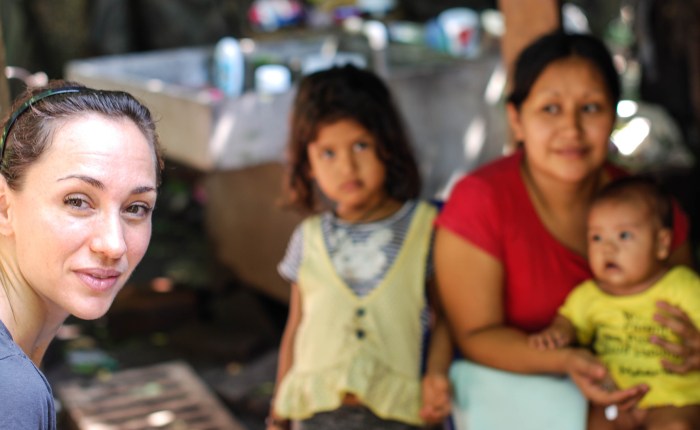
Gabriela Sheets (PhD, 2017) receives the Society for Medical Anthropology’s Dissertation Award for her 2017 dissertation on “The Developmental Ecology of the Infant Gut Microbiome”.

Gabriela Sheets (PhD, 2017) receives the Society for Medical Anthropology’s Dissertation Award for her 2017 dissertation on “The Developmental Ecology of the Infant Gut Microbiome”.

Gabriela Sheets receives the Society for Medical Anthropology’s Dissertation Award for her 2017 dissertation on “The Developmental Ecology of the Infant Microbiome”.

The Committee describes Sheets’ work as “novel meshing of anthropology and biology to explore an emerging area of general interest,” and thought it was likely to “make important contributions well beyond the medical anthropology community.”  One member called it an “exemplar in where science should go.”

“Recognition begs reflection, and reflection begs gratitude. The beast that this dissertation was to become invited me on a marvelous journey through the lives, stories and biologies of many Salvadoran families, for which I am forever grateful. Before my observing eye, life spilled out. She sometimes clumsily, but always excitedly, tripped over herself to whisper her secrets and to weave her tales through the human body. Even under and around the long shadows of death where meaning was mute, her whispers sounded. Thank you Emory for the opportunity to research questions that excite me, always supported by frameworks rooted in our anthropological and biological heritage. I hope to make even a small difference with the tools and drive that you provided for me.” Gabriela Sheets

Professor Todd Preuss featured on NPR

An article featured on NPR discusses the complications that arise when rodents are commonly used to test medications intended for humans: namely, a disappointingly high failure rate once medications are tested on human subjects.

Todd Preuss, an anthropologist at the Yerkes National Primate Research Center at Emory University and Associated Professor of Anthropology, indicates that rats were initially studied to learn about rats. At some point they transitioned to “prototypical mammals.” Dr. Preuss points out that rodents have not only developed quite differently from humans, but the specific test subjects can also be described as lacking genetic diversity.

Bisan Salhi, MD, recognized on Doctors’ Day

Dr. Bisan Salhi is one of Emory’s medical faculty recognized on Doctors’ day. After reviewing 160 Emory physicians nominated by their peers, the recognition committee honored six outstanding faculty of the Emory School of Medicine.

Dr. Salhi is an emergency room physician at Grady Memorial Hospital, faculty in the Emory School of Medicine department of Emergency Medicine, and a PhD candidate in the Anthropology department. She researches homelessness, vulnerable populations, and emergency medicine.

Dr. James Rilling: correlation between paternal nurturing and oxytocin

story_main.jpg

Emory’s eScience Commons reported on Dr. James Rilling’s research at the Laboratory for Darwinian Neuroscience. In order to study the neurological reasons for differing care-giving behaviors, Dr. Rilling administered either oxytocin or a placebo to fathers of toddlers. When shown photos of their child, those fathers who had received the oxytocin showed increased neural activity in areas of the brain that are associated with reward and empathy.

Tawni Tidwell’s Research in Tibetan Medicine Featured in Emory News

Tawni Tidwell’s Research in Tibetan Medicine Featured in Emory News

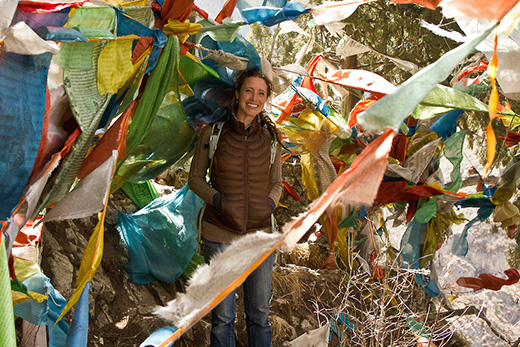
This Summer, Anthropology PhD candidate Tawni Tidwell, the first Westerner to be certified in Tibetan medicine in Tibet, was featured in Emory News, with an interview in eScienceCommons. Tawni’s dissertation research focuses on how Tibetan physicians diagnose diseases, particularly cancer.

“I see myself as a bridge between Tibetan medicine and Western science,” says Tidwell, who became a Tibetan physician in 2015. “I feel like each has something to offer the other.”